Peptide Purity Guide 98%, 99% & Research-grade Discussed Prg
Air Conditioner Peptide Screening Labs Third-party Peptide Evaluation
Measuring peptide pureness is typically made with logical high-performance liquid chromatography (HPLC), typically paired with mass spectrometry (MS) for identification verification. These analytical strategies are standard in peptide quality control and you will certainly generally get HPLC and MS information with a research peptide order. The key logical methods for peptides include fluid chromatography (LC), usually HPLC, integrated with mass spectrometry (MS) for precise molecular weight decision and sequence recognition.A functional assay measuring downstream signaling-- or an architectural research utilizing NMR or X-ray crystallography-- demands the greatest pureness offered. Crystallographers specifically commonly need ≥ 98% purity due to the fact that also minor contaminants can avoid crystal formation or introduce disorder into the crystal lattice. As molecules exit the column, they go through a detector-- normally a UV detector readied to 214 or 220 nm, wavelengths where the peptide bond takes in light strongly. The detector documents just how much UV light is soaked up in time, producing a graph called a chromatogram. This guide breaks down what pureness really indicates in peptide chemistry, just how it's determined, what the pollutants are, and how to review the paperwork that confirms a peptide is what it declares to be.
The dissolved peptide sample is infused right into a stream of liquid solvent (the mobile stage) that moves with a tube loaded with tiny particles (the stationary stage). Different molecules "stick" to those particles with different toughness, so they take a trip through the column at various speeds. Subtle distinctions in basic material purity and framework can cause disparities in the activity of the final product.Peptide Purity And Accuracy: Just How Labs Confirm Make-up
This degree of detailed evaluation makes sure the peptide's precision-- implying the sequence and purity are exactly as identified-- which is crucial for speculative reproducibility. By validating make-up via numerous confirmed techniques, lab validation warranties that researchers get a high-purity peptide that will certainly perform as expected Have a peek at this website in the lab. Research laboratory validation of peptides is not only a scientific finest practice-- it's often a governing need when peptides are utilized in healing growth or clinical research.- The outcome is a peptide that's shorter than intended-- missing out on one or more amino acids.
- You can discover more about our logical testing procedures on our testing and high quality web page.
- Simply put, the pureness portion has to do with the structure of peptide species in the sample, not the weight payment of water or salts.
- BOC Sciences provides detailed peptide screening solutions to clients throughout industries, making sure items satisfy stringent market needs and ensuring item consistency, security, and effectiveness.
- By utilizing exterior laboratories for confirmation, distributors get rid of prejudice and uphold clinical trustworthiness.
The injector presents an exact quantity of sample into the mobile-phase stream. Consistent injection quantity issues since overloading the column can widen optimals, misshape pureness quotes, or conceal close-by impurities. A strong peptide testing process uses techniques that address corresponding inquiries. The table below is the useful means to consider usual examinations when reviewing a peptide COA.
Research Uses Of Peptide Chemical & Physical Analyses
Unlike a supplier's internal screening, independent third-party laboratory validation is impartial and gives objective results, including reliability through unbiased logical data. This procedure is important for keeping high peptide high quality because the peptide market is mostly uncontrolled in lots of areas, and without recognition some providers may provide unclean, mislabeled, and even phony peptides [3] Making certain that each set undertakes appropriate laboratory screening aids validate the peptide's credibility and pureness, which is essential for both research study credibility and security. Peptide purity describes the percent of your sample that is the correct, full-length peptide series, without various other peptide-related pollutants. As an example, a purity of 98% indicates that 98% of the peptide product is the intended item, while the various other 2% could be undesirable remnants of synthesis (such as insufficient sequences or amino acid deletion versions).
What Can We Give?
If the COA details "total pollutants", that matches the purity figure (e.g., 98% pureness implies 2% overall impurities). Numerous COAs also define known or "specified impurities" versus undefined ones, each with their private portions if above a specific limit. This level of detail helps researchers comprehend if any small peptide by-products exist. If you see several large peaks of similar height, you're checking out either a low-purity example or a mix. If the major peak has a visible "shoulder"-- a bump on one side-- that commonly suggests a carefully associated contamination (like a deletion peptide) that the column could not totally resolve. The peptide is travelled through a straightforward filtration step (commonly gel purification or a quick reversed-phase cleaning) to get rid of salts, small-molecule by-products, and scavengers from the bosom step.
A solitary generic chromatographic approach is frequently inadequate for peptides that are hydrophobic, very fundamental, closely associated in turn, or partially cleansed. We give HPLC and UPLC pureness Click here evaluation operations that focus on useful separation instead of just creating a percent. We design analytical operations around the sample type, sequence functions, modification profile, and choice context. Tasks may involve crude intermediates, detoxified peptides, kept whole lots, client-supplied materials, or materials produced via our personalized peptide synthesis system. 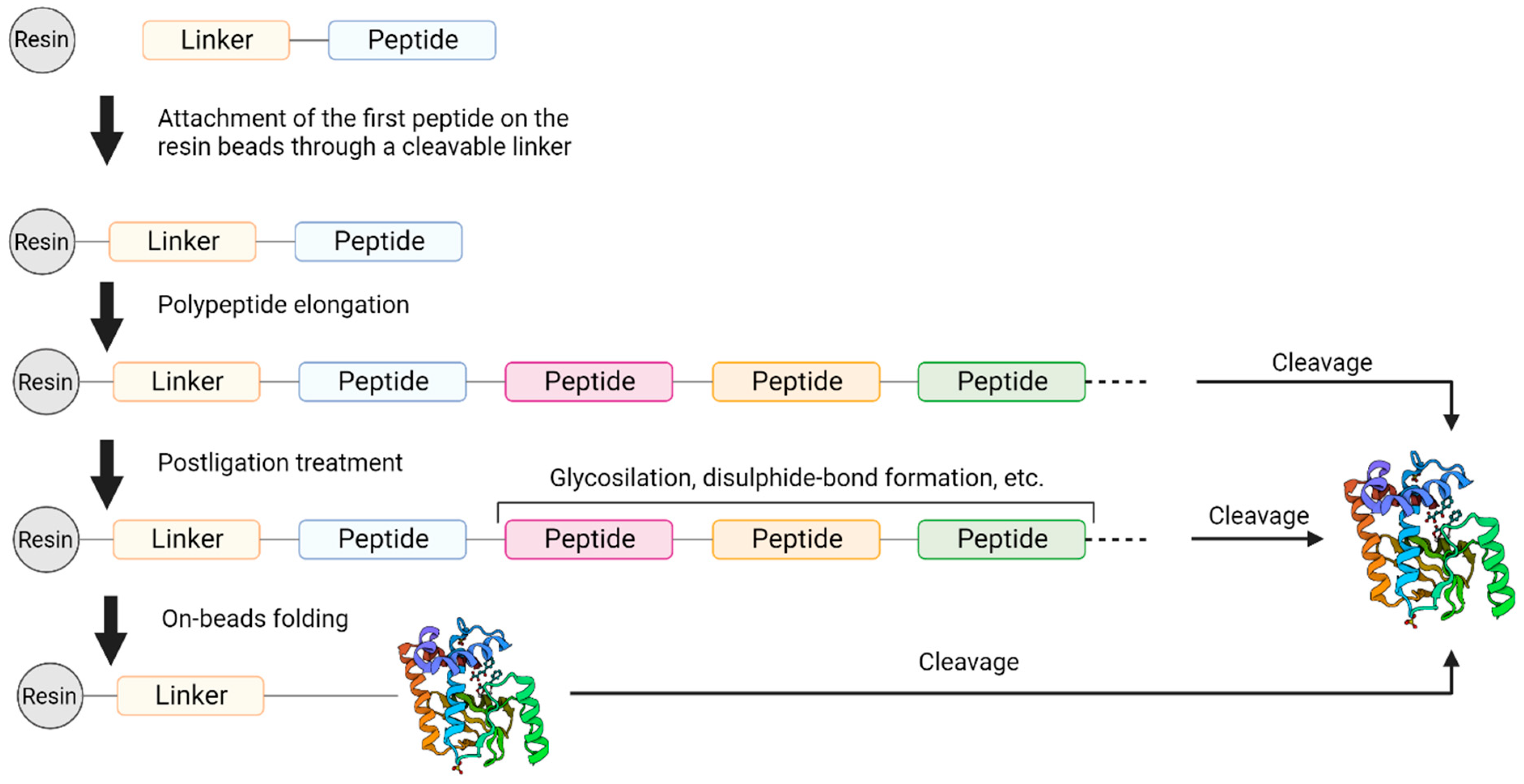

Corrections
Spot something wrong? Send it to the desk and it gets fixed in the open.